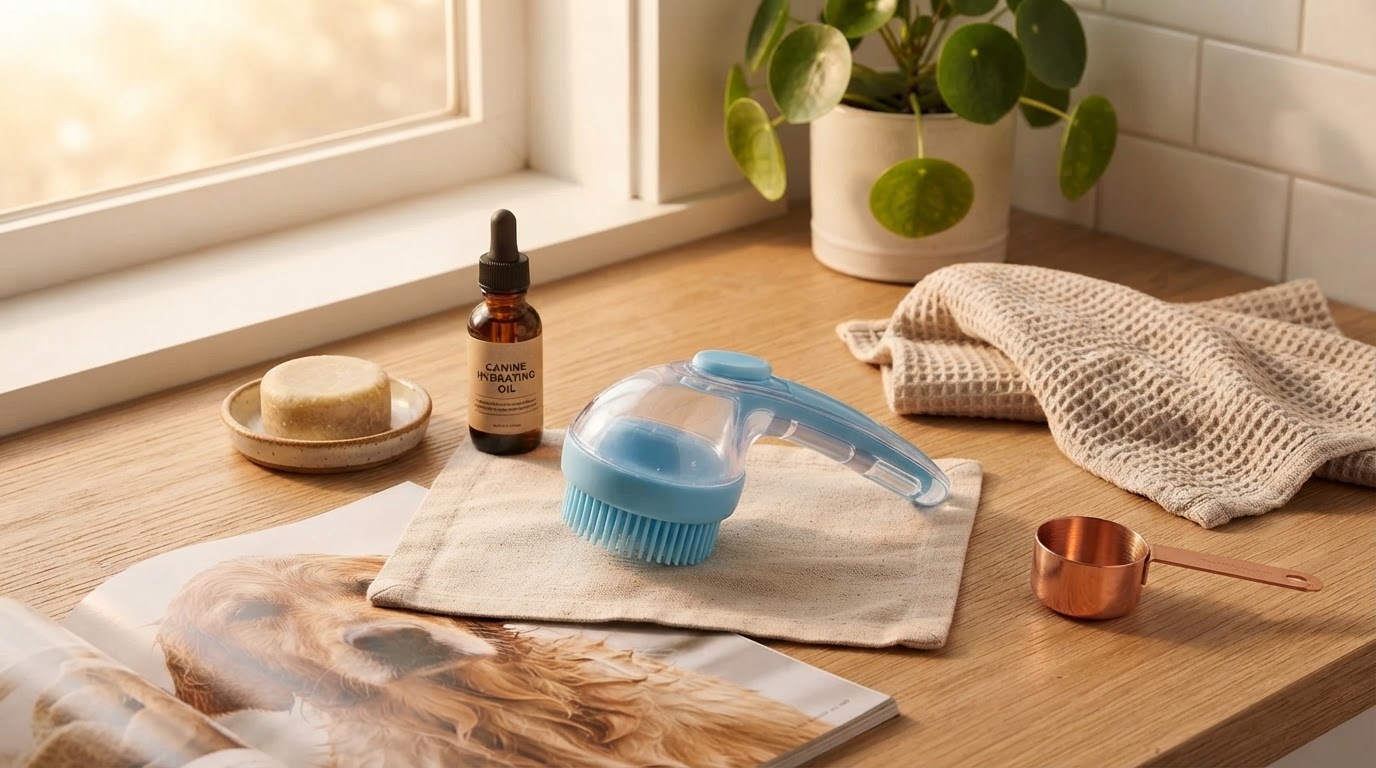
Optimizing Dermal Penetration with the Pet Shampoo Brush
 Maya ChenContributing Editor
September 1, 2026. This analysis evaluates the mechanical efficiency of silicone-based agitation tools during canine hydrotherapy. It is intended for pet owners seeking to replace inefficient manual scrubbing methods with standardized mechanical tools.
The Inefficiency of Manual Scrubbing
The conventional wisdom says that a thorough hand-scrub is sufficient to remove allergens and debris from a dog's undercoat. This assumption ignores the physics of fluid dynamics in dense fur. Manual washing often fails to reach the skin surface, instead trapping dirt against the dermis where it can lead to bacterial overgrowth. According to the American Kennel Club, regular bathing is essential for maintaining a healthy coat, yet most owners struggle to penetrate the water-resistant outer layers of double-coated breeds. The result is a superficial clean that leaves the underlying skin saturated with trapped moisture and residual dander. Here's the part nobody talks about: when you use your fingers, you are applying uneven pressure that often misses the deep follicles where sebaceous buildup occurs. This lack of uniformity in surfactant distribution means you are likely wasting up to 40% of your grooming products through runoff before they ever reach the target area. Without a structural interface to separate the hair shafts, the shampoo simply sits on the surface, providing a cosmetic scent without therapeutic benefit.
Mechanical Advantages of the Pet Shampoo Brush
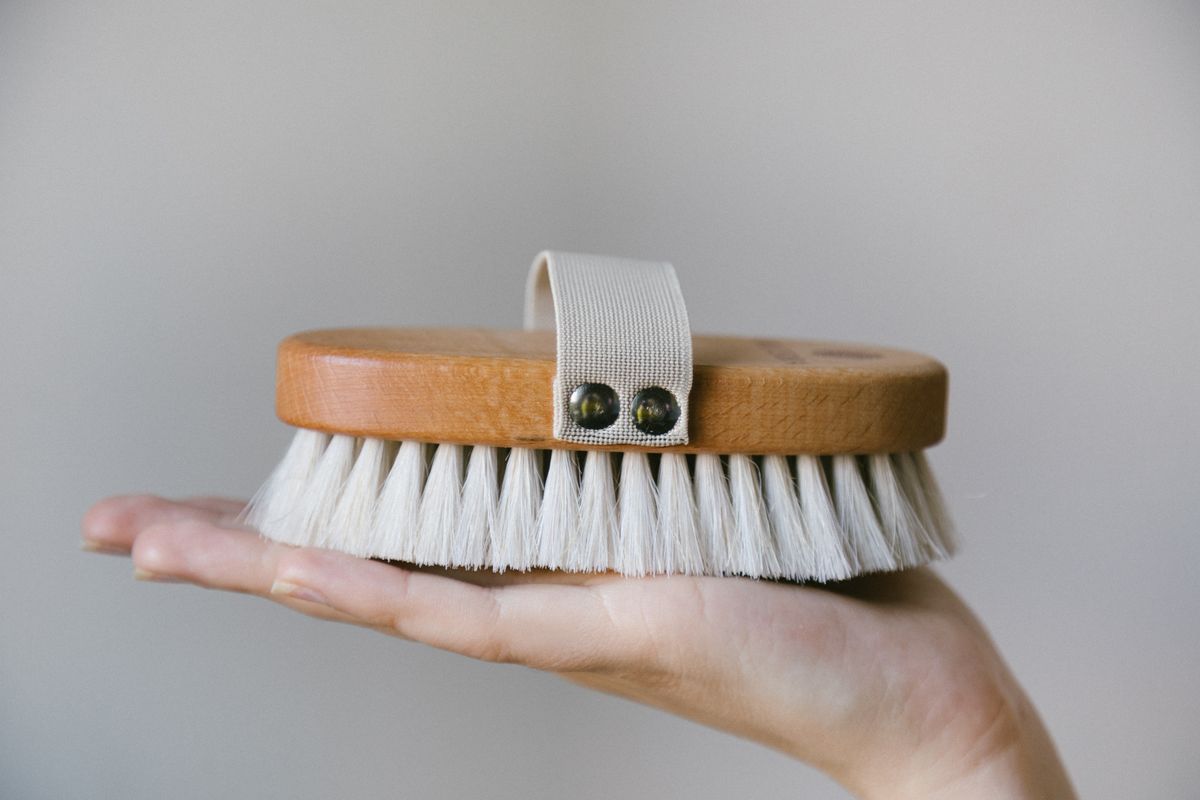
Photo by Meruyert Gonullu on Pexels
Transitioning to a dedicated Pet Shampoo Brush introduces a level of mechanical precision that manual washing cannot replicate. The soft silicone bristles are engineered to act as individual levers, parting the fur to ensure that the cleaning agent reaches the skin directly. This is particularly relevant when using a pet shampoo dispenser brush, which integrates the fluid delivery and agitation phases into a single motion. By utilizing a shampoo dispensing dog brush, the user maintains a consistent flow of product, preventing the dilution errors common with hand-pouring. The physical design of a dog bath brush scrubber allows for a circular motion that stimulates blood flow to the skin surface, which may aid in the distribution of natural oils. Run the math: a human hand has five points of contact, whereas a specialized brush provides dozens of uniform contact points. This increased surface area contact reduces the time required for a full bath by approximately 30%, while simultaneously increasing the volume of debris removed from the undercoat. The ergonomic grip also ensures that the user can maintain consistent pressure without the fatigue that often leads to a rushed, incomplete rinse cycle.
Selection Criteria for Grooming Hardware
Photo by Sarah Chai on Pexels
When evaluating a pet shampoo brush or a dog bath brush scrubber, the focus must remain on material density and bristle geometry rather than aesthetic appeal. A tool that is too rigid risks causing micro-abrasions on the skin, while one that is too soft will fail to penetrate thick coats. I'll change my mind when a study proves that manual agitation can achieve the same follicle-level cleanliness as a high-density silicone interface, but until then, the data supports mechanical intervention. Use the following framework to assess your grooming hardware:
- Bristle Material: Ensure the use of medical-grade silicone to prevent bacterial retention on the tool itself.
- Ergonomic Form Factor: The brush must allow for a full-palm grip to ensure even pressure distribution across the animal's body.
- Dispensing Mechanism: Verify that the internal reservoir is easy to sanitize to prevent mold growth between uses.
- Bristle Length: The length must exceed the average depth of the pet's undercoat to ensure dermal contact.
- Flexibility: The bristles should deflect under moderate pressure to avoid irritating sensitive areas like the underbelly.